
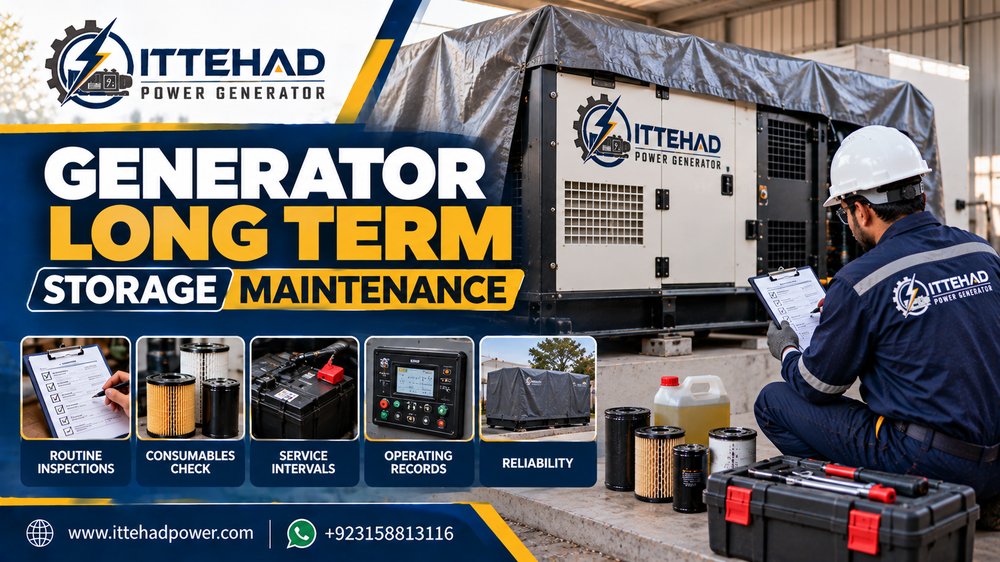
Proper generator long term storage maintenance helps commercial and industrial generator users protect equipment that will remain unused for an extended period while preserving starting reliability, fluid condition, battery health, fuel-system cleanliness, and overall operating readiness. A generator that is stored without preparation can develop battery discharge, fuel deterioration, corrosion, fluid leaks, seized components, damaged seals, contaminated filters, or electrical issues even though it is not accumulating operating hours. Routine inspections, planned service intervals, suitable storage conditions, accurate operating records, and controlled recommissioning can help reduce unnecessary repair costs and improve confidence when the generator is needed again.
Why Generator Long Term Storage Maintenance Is Important
A generator does not stop aging simply because it is not running. Fluids can deteriorate, batteries can lose charge, seals can dry or harden, fuel can become contaminated, corrosion can develop, and dust or moisture can affect electrical and mechanical components during storage.
Long-term storage maintenance creates a structured plan for protecting the generator while it remains inactive. The objective is to keep important systems in suitable condition so the unit can be returned to service without unnecessary faults or delays.
Generator Long Term Storage Maintenance Planning
A practical generator long term storage maintenance plan should begin before the generator is taken out of service. Preparation should consider the expected storage duration, generator condition, fuel system, battery condition, fluids, operating environment, service history, and how quickly the equipment may need to return to operation.
The longer the storage period, the more important it becomes to keep inspection records and follow a consistent maintenance routine.
Inspect the Generator Before Storage
A generator should enter storage in known condition. Existing problems should be identified before the equipment is left unused for an extended period.
Pre-Storage Inspection Points
- Engine oil level and condition
- Coolant level and condition
- Fuel system condition
- Battery condition
- Belts and hoses
- Visible oil, fuel, or coolant leaks
- Air filter condition
- Electrical connections
- Control-panel warnings
- General cleanliness
- Unusual noise or vibration from recent operation
- Current operating-hour reading
Complete Required Servicing Before Storage
If routine maintenance is already due, completing it before storage can be more practical than leaving aged oil, contaminated filters, or worn components in place for an extended period.
The exact servicing required depends on generator condition, operating hours, and storage duration. Maintenance records should show what was completed before the generator was placed into storage.
Engine Oil Condition During Storage
Engine oil that has been used for a long period may contain contaminants and combustion by-products. Depending on the generator’s service history and storage plan, oil and filter replacement may be appropriate before long-term inactivity.
Oil level should also be checked periodically during storage because unexplained fluid loss can indicate leakage that needs attention.
Cooling System Maintenance During Storage
The cooling system should remain properly filled and free from visible leakage. Coolant condition, hoses, clamps, radiator condition, and other accessible components should be checked before and during storage.
Cooling-system problems can develop gradually, and a small leak may become significant if it remains unnoticed for months.
Cooling System Storage Checks
- Coolant level
- Coolant condition
- Radiator condition
- Hoses and clamps
- Visible seepage
- Cooling fan area
- Signs of corrosion
Fuel System Preparation for Long-Term Storage
Fuel condition is an important part of long-term generator storage. Diesel can become contaminated by water, sediment, or other deterioration depending on storage conditions and duration.
The fuel system should be inspected before storage, and the appropriate storage approach should be selected according to equipment requirements and the expected inactive period.
Fuel System Points to Review
- Fuel quality
- Fuel tank condition
- Fuel filter condition
- Fuel hoses
- Fittings and connections
- Signs of water or contamination
- Visible fuel leakage
Avoid Ignoring Old or Contaminated Fuel
A generator may start poorly or run unevenly after storage if fuel condition has deteriorated. Contaminated fuel can also restrict filters and affect fuel-system components.
Fuel condition should therefore be assessed as part of both storage preparation and recommissioning.
Battery Maintenance During Long-Term Storage
The starting battery is one of the components most likely to lose readiness during extended inactivity. Batteries gradually discharge over time and may deteriorate faster if left in a weak condition.
A long-term storage plan should include periodic battery inspection and a suitable charging or maintenance approach according to battery and generator requirements.
Battery Storage Checks
- Battery charge condition
- Terminal cleanliness
- Terminal tightness
- Cable condition
- Signs of corrosion
- Physical battery condition
- Starting performance when periodic testing is performed
Battery Terminal Corrosion
Battery terminals should remain clean and secure during storage. Corrosion can increase electrical resistance and contribute to poor cranking when the generator is returned to service.
Terminal condition should be inspected periodically rather than waiting until recommissioning.
Belts and Hoses During Extended Storage
Belts and hoses can deteriorate even when the generator is not operating. Age, heat, environmental conditions, and material fatigue can lead to cracking, hardening, swelling, or loss of flexibility.
These components should be included in periodic visual inspections throughout the storage period.
Air Filter and Intake Protection
The air intake should remain protected from dust, insects, moisture, and debris. A contaminated air filter or obstructed intake can create problems when the generator is restarted.
The generator should be stored in a clean environment where possible, and intake areas should be inspected before recommissioning.
Protect Electrical Connections From Moisture and Corrosion
Electrical terminals, wiring, connectors, and control components can be affected by moisture, dust, corrosion, or environmental exposure during storage.
Accessible electrical areas should be kept clean and dry, and any signs of corrosion, loose connections, damaged insulation, or contamination should be investigated before the generator is returned to service.
Alternator Condition During Storage
The alternator can also be affected by moisture, dust, corrosion, and long periods of inactivity. Ventilation openings should remain clean, and the alternator area should be protected from environmental exposure where possible.
Before returning the generator to normal operation, electrical output should be checked to confirm stable voltage and frequency.
Protect the Generator From Dust
Dust can accumulate on filters, radiator surfaces, alternator ventilation openings, electrical components, and control panels during long-term storage.
A suitable cover or protected storage area can help reduce contamination, but the generator should not be covered in a way that traps moisture or encourages corrosion.
Protect Against Moisture
Moisture can contribute to corrosion on electrical terminals, metal surfaces, battery connections, alternator components, and other parts.
The storage environment should remain as dry and well ventilated as practical. Any signs of condensation, water entry, or corrosion should be addressed during periodic inspections.
Store the Generator in a Suitable Location
Storage conditions can have a major effect on equipment preservation. The generator should be protected from unnecessary weather exposure, standing water, direct contamination, and accidental physical damage.
Suitable Storage Conditions Include
- Stable and dry surface
- Protection from rain and standing water
- Reasonable ventilation
- Reduced dust exposure
- Access for periodic inspection
- Protection from accidental impact
- Space around the generator for maintenance
Periodic Generator Inspections During Storage
Long-term storage should not mean leaving the generator untouched until it is needed again. Regular inspection helps identify leaks, corrosion, battery deterioration, damaged hoses, pest activity, or environmental problems before they become severe.
The inspection interval should reflect storage duration, generator condition, and the surrounding environment.
What to Check During Storage Inspections
- Oil level
- Coolant level
- Fuel-system condition
- Battery charge and terminals
- Belts and hoses
- Visible leaks
- Dust or moisture buildup
- Electrical connections
- Signs of corrosion
- Control-panel condition
- Storage-area cleanliness
- Physical damage
Should a Stored Generator Be Started Periodically?
Periodic operation may be useful for some generator storage plans, but it should be carried out according to equipment requirements and with proper preparation. Starting a generator briefly without allowing appropriate operating conditions may not provide meaningful maintenance value.
If periodic running is part of the maintenance plan, the generator should be observed for starting quality, temperature, oil pressure, voltage, frequency, leakage, and general stability.
Periodic Exercise and Operating Readiness
Where appropriate, generator exercise can help confirm that the battery, starting system, fuel supply, control system, and electrical output remain functional.
Any change in starting performance, unusual noise, smoke, temperature, or warning indications should be documented and investigated rather than ignored until the end of the storage period.
Monitor Fluid Leaks During Storage
Small oil, fuel, or coolant leaks can develop while the generator remains inactive. Fluid beneath the unit or wet areas around hoses, seals, and fittings should be investigated.
Leaving a leak unresolved for months can result in low fluid levels and additional repair work during recommissioning.
Prevent Corrosion on Exposed Components
Metal parts can develop surface corrosion when exposed to moisture and environmental contaminants. Periodic inspection allows early corrosion to be identified before it affects connections, fasteners, or serviceable components.
Storage protection should be suitable for generator materials and should not interfere with later operation.
Keep the Generator Area Clean
Debris, dirt, packaging materials, or stored items should not accumulate around the generator. A clean storage area makes leaks, pests, and physical deterioration easier to notice.
Clear access also allows technicians to carry out inspections without moving unrelated materials every time.
Watch for Pest or Insect Damage
Long-term storage can create an opportunity for pests to enter enclosures, air-intake areas, or wiring spaces. Damage to insulation, hoses, filters, or stored wiring can affect generator readiness.
Periodic visual inspection can help identify nesting material, damaged wiring, or blocked openings before recommissioning.
Maintain Accurate Storage Records
Operating records remain useful even when the generator is not accumulating significant runtime. Storage inspections, battery checks, fluid observations, maintenance work, and periodic exercise should all be documented.
Useful Long-Term Storage Records
- Date storage began
- Operating hours at storage start
- Pre-storage servicing completed
- Battery condition
- Fuel condition
- Fluid levels
- Inspection dates
- Periodic exercise dates
- Repairs or adjustments performed
- Recommissioning date
Benefits of Long-Term Storage Maintenance Records
Clear records make it easier to understand what happened during the storage period and what should be checked before the generator returns to service.
They can also help identify recurring battery, fuel, leakage, or corrosion problems that might otherwise appear unrelated.
Service Intervals During Long-Term Storage
Storage does not automatically cancel maintenance requirements. Some service items are based on time as well as operating hours.
The maintenance schedule should therefore consider both the period of inactivity and the generator’s previous service history.
Consumables and Long-Term Storage
Consumables should be reviewed before, during, and after storage. Filters, oil, coolant, belts, and other items can deteriorate because of time or environmental exposure even if the generator is not running regularly.
- Engine oil
- Oil filters
- Fuel filters
- Air filters
- Coolant
- Belts
- Other routine service items
Cost Control Through Proper Storage Maintenance
Long-term storage maintenance can help reduce unnecessary costs by preventing avoidable deterioration. A discharged battery, contaminated fuel system, corroded terminals, or unnoticed leak can create repair expenses before the generator even returns to normal operation.
Periodic inspection is generally easier to manage than resolving multiple storage-related faults at the time the generator is urgently needed.
Benefits of Proper Generator Storage Maintenance
- Improved starting readiness: Battery and fuel-system condition are monitored during storage.
- Reduced deterioration: Leaks, corrosion, and environmental damage can be identified earlier.
- Better fluid condition management: Oil, coolant, and fuel remain part of the maintenance plan.
- Improved reliability: Periodic inspections help maintain awareness of actual generator condition.
- Better cost control: Small storage-related problems can be addressed before becoming larger repairs.
- Clear service history: Storage inspections and maintenance actions remain documented.
- Greater recommissioning confidence: The generator can return to service through a structured inspection process.
What Commercial and Industrial Generator Users Need
Commercial and industrial generator users need a storage plan that preserves equipment condition without creating unnecessary maintenance work. The plan should reflect the expected inactive period, generator condition, site environment, and future operating requirements.
Users also need clear records so technicians can understand what was done before storage and what needs to be checked before the generator returns to duty.
How to Select the Right Storage Maintenance Approach
The correct maintenance approach depends on storage duration, generator type, operating history, and environment. A generator being stored for a short period may require a different level of preparation from equipment expected to remain inactive for many months.
- Review current generator condition.
- Check recent service history.
- Estimate the expected storage duration.
- Assess fuel condition and storage requirements.
- Review battery condition.
- Inspect fluids, filters, belts, and hoses.
- Choose a suitable storage location.
- Establish periodic inspection intervals.
- Record all storage maintenance activities.
- Plan a complete recommissioning inspection before reuse.
Avoid Storing a Generator With Existing Faults
Starting difficulty, fluid leakage, unstable output, overheating, or control warnings should ideally be investigated before long-term storage. Leaving an unresolved fault for months can make later diagnosis more difficult.
Entering storage with known equipment condition creates a clearer baseline for future recommissioning.
Do Not Ignore Generator Cleanliness
Dirt, oil residue, fuel residue, and dust can hide leaks or corrosion during storage. Cleaning accessible areas before storage makes later inspections more effective.
The objective is not cosmetic appearance but easier identification of new deterioration.
Protect Airflow Openings Without Blocking Them Permanently
Storage protection should reduce dust and pest entry while still avoiding trapped moisture. Any temporary protective materials used around openings should be clearly identified and removed before generator startup.
Recommissioning records should include confirmation that storage covers or temporary protections have been removed.
Local Operating and Storage Conditions
Generator storage requirements can vary according to temperature, humidity, dust exposure, ventilation, and surrounding conditions. Equipment stored in a hot, dusty, humid, or exposed environment may need more frequent inspection than equipment kept in a cleaner protected area.
Commercial and industrial users should therefore base inspection frequency on actual local conditions rather than using the same schedule for every stored generator.
Heat During Long-Term Storage
High ambient temperature can accelerate battery discharge and material deterioration. Belts, hoses, seals, wiring insulation, and other components may age even when the generator is not running.
Periodic condition checks become more important when storage temperatures are consistently high.
Dust During Long-Term Storage
Dust can accumulate in radiator surfaces, filters, alternator ventilation areas, control panels, and electrical enclosures. Excessive buildup should be cleaned before recommissioning.
Keeping the storage environment reasonably clean can reduce preparation work when the generator is returned to service.
Moisture and Long-Term Generator Storage
Moisture can contribute to corrosion, electrical deterioration, and contamination. Generator enclosures, terminals, alternator areas, and battery connections should be monitored for signs of dampness.
If moisture is repeatedly found, the storage environment may need improvement rather than simply cleaning the generator each time.
Trust Points for Professional Storage Maintenance
A reliable generator storage maintenance service should use a structured process and maintain clear records throughout the inactive period.
- Pre-storage generator inspection
- Service history review
- Battery condition checks
- Fuel-system assessment
- Fluid inspection
- Belts and hoses review
- Corrosion and moisture checks
- Periodic storage inspections
- Documented maintenance records
- Complete recommissioning inspection
Common Long-Term Generator Storage Mistakes
Several common mistakes can increase the chance of storage-related faults.
- Leaving the generator without any periodic inspection
- Ignoring battery discharge
- Storing equipment with contaminated fuel
- Leaving existing fluid leaks unresolved
- Allowing dust or moisture to accumulate
- Ignoring belts and hoses during storage
- Failing to record maintenance activity
- Starting the generator after storage without inspection
- Forgetting temporary storage covers or protections
- Returning the generator to load without output testing
Preparing to Return a Stored Generator to Service
A generator that has remained inactive for a long period should not immediately be placed under full operating load. A structured recommissioning inspection should be completed first.
Pre-Startup Recommissioning Checks
- Inspect the entire generator visually
- Check engine oil level and condition
- Check coolant level and condition
- Inspect fuel quality and fuel-system components
- Check filters
- Inspect battery condition
- Check belts and hoses
- Inspect electrical connections
- Remove temporary storage protections
- Check for fluid leakage
- Review control-panel condition
First Startup After Long-Term Storage
The initial startup should be controlled and closely observed. Starting performance, oil pressure, temperature, engine sound, smoke, vibration, leakage, voltage, frequency, and warning indications should all be reviewed.
If abnormal conditions appear, the generator should be inspected before extended operation continues.
Check for Leaks After Startup
Some seals and connections may appear dry while the generator is stopped but begin leaking after temperature and pressure increase during operation.
Fuel, oil, and cooling-system areas should be checked again after the generator has run for a suitable period.
Verify Electrical Output
Voltage and frequency should be checked before the generator supplies important loads. Extended storage can affect electrical components, connections, or alternator condition even when the engine starts normally.
Any unstable or abnormal electrical reading should be investigated before regular operation resumes.
Apply Load Gradually After Storage
Where operating procedures allow, electrical load should be introduced in a controlled manner while generator response is monitored.
Temperature, voltage, frequency, engine speed, and warning indicators should remain stable as demand increases.
Post-Storage Load Testing
Controlled load testing can help confirm that the generator performs properly after long-term inactivity. This is especially useful when equipment will return to an important commercial or industrial backup role.
The test should remain within suitable generator capacity and should be monitored for electrical and mechanical stability.
Update Maintenance Records After Recommissioning
Once the generator returns to service, the maintenance history should be updated with the recommissioning date, inspection findings, completed repairs, fluid changes, battery condition, and test results.
This creates a complete record of the storage period and provides a new baseline for future maintenance.
Guidance for Long-Term Generator Storage
The most effective storage plan is consistent rather than complicated. Prepare the generator correctly, keep it in a suitable environment, inspect it periodically, maintain battery and fuel-system awareness, record maintenance activity, and recommission the unit carefully before returning it to normal duty.
Do not assume that low operating hours mean no maintenance is required. Time, environmental exposure, and inactivity can affect generator condition even when the engine has not been running.
Maintain Reliable Generator Readiness During Storage
Effective generator long term storage maintenance helps commercial and industrial users protect batteries, fluids, filters, belts, hoses, fuel systems, electrical components, and overall generator condition during extended inactivity. Regular inspections, suitable storage conditions, accurate records, and careful recommissioning can reduce avoidable repair costs and improve the likelihood of dependable startup after storage.
If your generator will remain unused for an extended period or is already in long-term storage, arrange a professional inspection and establish a documented maintenance schedule. Proper storage preparation, periodic condition checks, battery and fuel-system maintenance, and controlled recommissioning can help preserve generator reliability and provide greater confidence when the equipment is needed again.