
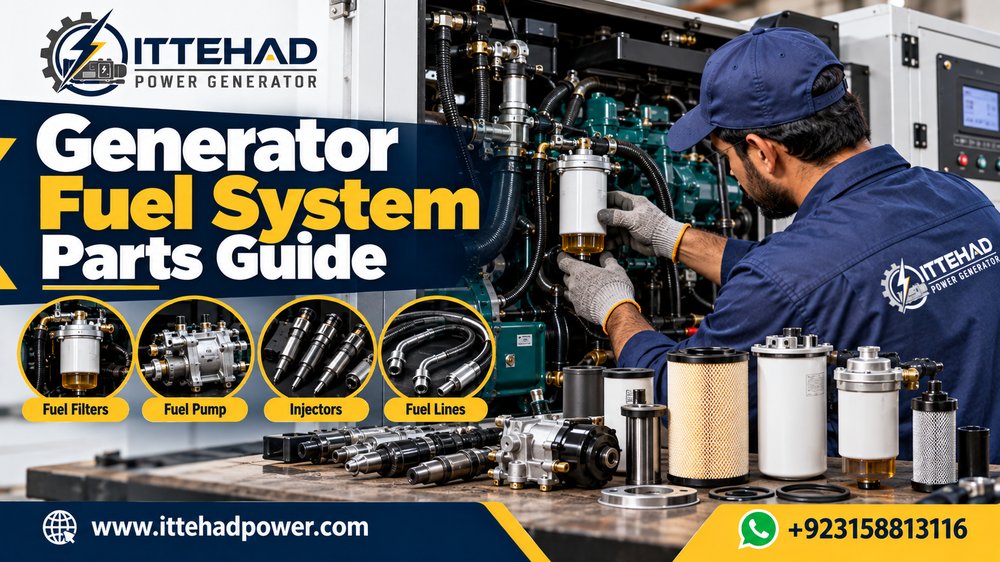
A reliable generator depends on a clean, correctly supplied, and properly controlled flow of fuel from storage to the engine. This generator fuel system parts guide explains the main components involved in fuel delivery, how to identify compatible parts, common wear signs, replacement planning, and the importance of reliable sourcing. Understanding how these components work together can help prevent starting problems, unstable running, fuel leakage, reduced performance, and avoidable generator downtime.
Why the Generator Fuel System Is Important
The fuel system supplies the engine with the quantity of fuel required for starting, running, and responding to changing operating conditions. Even a small restriction, air leak, damaged connection, or contaminated component can interrupt normal fuel delivery.
Because several parts work together, a problem that appears to come from one component may actually originate elsewhere in the system. Proper inspection is therefore more reliable than replacing parts based only on symptoms.
Generator Fuel System Parts Guide for Reliable Operation
This generator fuel system parts guide focuses on identifying important fuel-system components and understanding when inspection, servicing, or replacement may be required. Correct part selection matters because fuel components must match the generator’s engine, connections, operating pressure, dimensions, and fuel-delivery requirements.
A systematic approach helps reduce incorrect purchases, unnecessary replacements, repeated faults, and delays during generator repair.
Main Generator Fuel System Parts
The exact fuel-system design depends on the generator and engine, but several components are commonly involved in storing, filtering, moving, and delivering fuel.
- Fuel tank
- Fuel lines and hoses
- Fuel filters
- Water separator where fitted
- Fuel lift or supply pump
- Injection pump or fuel-delivery components
- Fuel injectors
- Fuel shutoff components
- Return fuel lines
- Connectors, fittings, clamps, and seals
- Fuel level components
- Related sensors and control connections
Each component has a specific role, and failure in one area can affect the performance of the complete system.
Fuel Tank and Fuel Storage Components
The fuel tank provides the supply required for generator operation. Its condition influences the quality of fuel reaching the engine.
Problems can develop when water, dirt, sediment, or other contamination accumulates inside the tank. Damaged fittings, loose connections, or deteriorated seals can also allow leakage or air entry.
Fuel Tank Inspection Points
- Visible fuel leakage
- Water or sediment contamination
- Corrosion or physical damage
- Loose fittings
- Damaged caps or seals
- Restricted outlets
- Condition of connected fuel lines
Fuel storage problems should be corrected before contaminated fuel reaches more sensitive components.
Generator Fuel Lines and Hoses
Fuel lines carry diesel between the tank, filters, pumps, injectors, and return system. These lines need to remain properly sealed and free from restriction.
Age, heat, vibration, incorrect routing, or physical damage can affect hose condition. A line may also appear intact externally while developing a restriction internally.
Signs Fuel Lines May Need Attention
- Visible cracking
- Hard or brittle hose material
- Soft or swollen sections
- Fuel leakage
- Loose fittings
- Air entering the fuel system
- Kinked or restricted lines
- Damaged clamps or connectors
Replacement lines should match the required size, connection type, fuel compatibility, and routing requirements.
Fuel Filters and Their Role
Fuel filters protect sensitive engine components by removing contaminants before fuel reaches the injection system. A filter that becomes heavily restricted can reduce fuel flow and contribute to poor generator performance.
Possible symptoms of a restricted fuel filter include:
- Hard starting
- Long cranking time
- Rough engine operation
- Reduced response
- Loss of power
- Engine hesitation
- Unexpected shutdown
Filter replacement should follow generator requirements and actual operating conditions. If filters repeatedly become contaminated, the condition of the fuel supply and tank should also be investigated.
Water Separator Components
Some generator fuel systems include a water separator to help remove water from diesel before it reaches sensitive components. Water contamination can interfere with proper operation and contribute to corrosion or fuel-system damage.
The separator should be inspected for accumulated water, contamination, damaged seals, and leakage. Replacement components should match the original system specifications and connections.
Fuel Lift or Supply Pump
The fuel supply pump helps move fuel from the tank toward the engine’s fuel-delivery system. If the pump becomes weak, damaged, or unable to maintain suitable fuel flow, the generator may experience starting and running problems.
Possible symptoms can include:
- Difficulty starting
- Extended cranking
- Loss of power
- Intermittent engine operation
- Fuel starvation symptoms
- Engine shutdown during operation
A pump should not be replaced solely because fuel delivery appears weak. Filters, lines, air leaks, tank restrictions, and electrical supply where applicable should also be checked.
Injection Pump and Fuel Delivery Components
The injection system controls how fuel is supplied for combustion. These components operate with specific requirements and should be handled carefully during diagnosis and replacement.
Symptoms associated with fuel-delivery problems may include difficult starting, uneven running, reduced performance, abnormal exhaust behavior, or unstable engine response.
Because similar symptoms can result from filters, air intrusion, injectors, or other engine conditions, proper testing should be completed before major fuel-delivery components are replaced.
Generator Fuel Injectors
Fuel injectors deliver fuel into the engine in a controlled manner. Correct injector operation is important for smooth combustion and stable generator performance.
Injector-related problems can develop because of wear, contamination, deposits, internal faults, or unsuitable fuel conditions.
Possible Fuel Injector Wear Signs
- Rough engine operation
- Difficult starting
- Uneven engine sound
- Reduced performance
- Abnormal exhaust smoke
- Increased fuel use
- Misfiring or inconsistent combustion
Injector symptoms should be confirmed through appropriate diagnosis because other fuel and engine problems can produce similar behavior.
Fuel Shutoff Components
Fuel shutoff systems control whether fuel is permitted to reach the engine. Depending on the generator design, the system may involve mechanical or electrically controlled components.
A faulty shutoff component can prevent starting, cause unexpected stopping, or create intermittent operation. Wiring, connections, control signals, and mechanical movement should be checked before deciding that the component itself requires replacement.
Fuel Return Lines
Return fuel lines form an important part of many generator fuel systems. They allow excess fuel to return through the designed fuel circuit.
Damaged, restricted, leaking, or incorrectly connected return lines can affect proper operation. These lines should be inspected whenever fuel leakage, unusual pressure conditions, or repeated fuel-system problems are present.
Fuel System Seals, Fittings, and Clamps
Small components such as seals, washers, fittings, and clamps can have a significant effect on fuel-system reliability. A loose fitting or deteriorated seal may allow diesel leakage or air entry.
Important checks include:
- Loose fittings
- Damaged threads
- Cracked seals
- Incorrect clamps
- Fuel staining around connections
- Signs of air entry
- Components that have been overtightened or damaged
Replacement hardware should be suitable for the specific connection and fuel-system application.
Why Air in the Fuel System Causes Problems
A diesel generator fuel system needs consistent fuel delivery. Air entering through loose fittings, damaged hoses, filter seals, or other connections can interrupt this flow.
Air in the system may cause:
- Hard starting
- Extended cranking
- Rough running
- Intermittent engine operation
- Loss of power
- Unexpected shutdown
Simply bleeding the system may provide only temporary improvement if the source of air entry is not corrected.
Part Identification Before Replacement
Accurate part identification is essential before ordering generator fuel-system components. Two parts can appear similar while having different operating specifications, dimensions, connection arrangements, or internal characteristics.
Useful identification information can include:
- Generator make and model
- Engine model
- Engine serial information where applicable
- Existing part number
- Fuel-system specification
- Connection size and type
- Component dimensions
- Electrical rating for controlled components
Recording these details before purchasing a replacement can reduce compatibility problems.
Why Generator Fuel Part Compatibility Matters
A replacement component should be compatible with the complete fuel system, not merely fit into the available space. Incorrect flow characteristics, pressure requirements, connections, or dimensions can create new operating problems.
Compatibility checks should consider:
- Engine application
- Fuel type
- Component specification
- Operating requirements
- Connection arrangement
- Mounting dimensions
- Flow requirements
- Control or electrical requirements where applicable
Where the original part number is available, it provides an important reference for identifying suitable replacements.
Common Wear Signs in Generator Fuel System Parts
Fuel-system wear may become visible through both physical condition and changes in generator behavior.
Warning signs can include:
- Fuel leakage
- Cracked hoses
- Corroded fittings
- Restricted filters
- Damaged seals
- Loose connections
- Repeated air entry
- Difficult starting
- Rough engine operation
- Loss of performance
- Unexpected shutdown
- Abnormal fuel consumption
These signs should trigger inspection, but they do not automatically identify which component has failed.
Contaminated Fuel and Component Life
Fuel quality has a direct influence on fuel-system condition. Dirt, water, sediment, and other contamination can block filters and affect more sensitive fuel-delivery components.
If contaminated fuel is found, replacing only the failed component may not provide a lasting solution. The source of contamination should also be investigated.
Useful checks can include:
- Fuel tank condition
- Stored fuel quality
- Water accumulation
- Filter contamination
- Fuel line cleanliness
- Repeated injector or pump problems
Benefits of Correct Fuel System Parts Selection
Choosing suitable fuel-system parts can improve both repair quality and long-term generator reliability.
- Supports consistent fuel delivery
- Helps maintain reliable starting
- Reduces the risk of repeated fuel-system faults
- Improves compatibility with existing components
- Helps prevent unnecessary modifications
- Reduces incorrect part purchases
- Supports smoother engine operation
- Makes future maintenance easier to plan
Replacement Planning for Generator Fuel Parts
Fuel-system replacement should be based on component condition, diagnosis, maintenance requirements, and the likelihood of continued reliable operation.
A practical replacement plan should identify:
- Which component has failed
- Whether the problem has affected related parts
- Whether contamination is present
- Whether seals or fittings should be renewed during the work
- Which specifications must be matched
- What testing will be required after installation
Planning the complete repair before dismantling can reduce delays and repeat work.
A Practical Fuel System Parts Inspection Process
A systematic inspection can help identify the cause of a fuel-related problem before replacement begins.
- Review the symptoms: Note starting difficulty, rough running, power loss, leakage, shutdowns, or other changes.
- Inspect the fuel supply: Check fuel level, visible condition, and signs of contamination.
- Check fuel lines: Look for restrictions, damage, leakage, loose fittings, and possible air entry.
- Inspect filters: Determine whether restriction or contamination is affecting fuel flow.
- Check pumps and delivery components: Verify that fuel is moving correctly through the system.
- Inspect injectors where required: Investigate uneven combustion or fuel delivery when other checks are normal.
- Check shutoff and control components: Confirm that fuel flow is not being interrupted incorrectly.
- Identify required parts: Record model details, specifications, and part numbers before ordering.
- Complete replacement: Install compatible components using appropriate procedures.
- Test the generator: Check starting, running condition, fuel leakage, and overall performance.
When a Fuel System Part Should Be Replaced
Replacement may be appropriate when a component is physically damaged, excessively worn, repeatedly failing, unable to meet operating requirements, or no longer dependable after proper inspection.
Examples can include:
- Cracked or leaking fuel lines
- Damaged seals
- Severely restricted filters
- Failed fuel pumps
- Defective shutoff components
- Worn injectors confirmed through testing
- Corroded fittings
- Components damaged by contamination
The decision should be based on condition and diagnosis rather than age alone.
When Cleaning or Servicing May Be Enough
Not every fuel-system issue requires complete component replacement. Some problems may be corrected through cleaning, adjustment, filter servicing, connection repair, or proper bleeding of the system.
A diagnosis-first approach helps determine whether replacement is genuinely necessary and can reduce unnecessary repair expense.
Reliable Sourcing of Generator Fuel System Parts
Reliable sourcing is important because incorrect or poor-quality fuel components may create repeated problems. A replacement part should be checked for correct specifications, condition, and compatibility before installation.
When sourcing components, consider:
- Correct part number
- Engine compatibility
- Physical dimensions
- Connection type
- Operating specification
- Condition of the component
- Suitability for the intended fuel system
Price should not be the only deciding factor if a cheaper part does not match the generator’s requirements.
What Customers Need When Buying Generator Fuel Parts
Customers usually need confidence that the replacement part will fit correctly, work with the existing fuel system, and address the actual problem.
Useful support should include:
- Accurate part identification
- Compatibility confirmation
- Explanation of why replacement is required
- Condition assessment of related components
- Reliable sourcing
- Installation guidance where appropriate
- Testing after replacement
This reduces the chance of purchasing parts that cannot solve the original fault.
How to Select the Right Fuel System Replacement Part
A suitable replacement should be selected from verified generator and engine information rather than appearance alone.
Before purchasing, check:
- Generator model
- Engine model
- Existing component number
- Connection details
- Dimensions
- Fuel-flow requirements
- Electrical requirements where applicable
- Manufacturer or compatible reference information
If information is unclear, comparing the original component with verified technical details can help avoid incorrect selection.
Local Relevance of Generator Fuel System Maintenance
Fuel-system component condition can be influenced by local operating and storage conditions. Heat, dust, fuel storage practices, long standby periods, contamination, and irregular generator operation can all affect filters, hoses, seals, pumps, and related parts.
Generators operating in challenging conditions may benefit from closer inspection of fuel quality, filter condition, line deterioration, and signs of leakage. Maintenance planning should reflect how and where the generator is actually used.
Trust Points When Arranging Fuel System Parts Replacement
Reliable fuel-system work should be based on diagnosis and correct component identification. Customers should understand which part requires attention and why the recommended replacement is suitable.
Important trust points include:
- Inspection before replacement
- Correct generator and engine identification
- Part compatibility verified
- Related fuel components checked
- Contamination investigated where present
- No unnecessary replacement of usable parts
- Safe installation procedures
- Generator tested after repair
Common Mistakes When Replacing Generator Fuel Parts
Incorrect replacement decisions can create additional faults and unnecessary expense.
Common mistakes include:
- Buying parts based only on appearance
- Ignoring part numbers and specifications
- Replacing a pump without checking a blocked filter
- Replacing injectors without checking fuel contamination
- Ignoring damaged seals and connections
- Failing to investigate repeated air entry
- Installing unsuitable fuel hoses
- Not testing for leakage after installation
- Ignoring the condition of connected components
A structured inspection helps avoid these problems.
Guidance After Fuel System Parts Replacement
After replacing a fuel-system component, the generator should be inspected and tested before normal operation continues. Connections should be checked for leakage, and the fuel system should be prepared correctly if air has entered during the repair.
During testing, observe:
- Starting performance
- Engine idle stability
- Response during operation
- Fuel leakage
- Unusual engine sound
- Control warnings
- Whether the original fault has returned
Post-repair testing helps confirm that the new component has corrected the problem and has been installed correctly.
Preventing Premature Fuel System Part Failure
Good maintenance can help extend the useful condition of generator fuel components and reduce repeated repairs.
Practical measures include:
- Use clean fuel
- Monitor fuel storage condition
- Inspect filters regularly
- Check hoses and fittings for leakage
- Investigate air entry quickly
- Keep fuel-system connections secure
- Address water contamination promptly
- Do not ignore hard starting or rough running
- Keep records of replaced fuel components
Safety During Generator Fuel System Work
Diesel fuel systems should be inspected and repaired with suitable safety precautions. Fuel leakage should be corrected promptly, and spilled fuel should not be allowed to remain around hot generator components or electrical connections.
The generator should be appropriately isolated before components are removed. Fuel lines, pumps, injectors, and electrical fuel controls should be handled according to their operating requirements.
If the fault involves complex fuel-delivery components or the cause is unclear, professional diagnosis is preferable to repeated trial-and-error replacement.
When Professional Fuel System Diagnosis Is Recommended
Professional inspection is useful when the generator repeatedly experiences hard starting, rough operation, fuel leakage, power loss, unexpected shutdown, recurring filter contamination, or suspected pump or injector problems.
These symptoms can have several possible causes, and replacing expensive fuel-system components without confirming the fault can increase costs without restoring reliability.
Make Better Generator Fuel System Parts Decisions
A practical generator fuel system parts guide should help you understand the role of fuel tanks, lines, filters, separators, pumps, injectors, shutoff components, return lines, seals, fittings, and related controls. Correct identification and compatibility checking are essential before any component is replaced.
If your generator has fuel leakage, difficult starting, unstable running, reduced performance, repeated fuel-system faults, or visibly worn components, arrange a proper inspection before ordering replacement parts. Accurate diagnosis, reliable sourcing, compatible components, and careful installation can help restore dependable fuel delivery, improve generator reliability, and reduce avoidable downtime.