
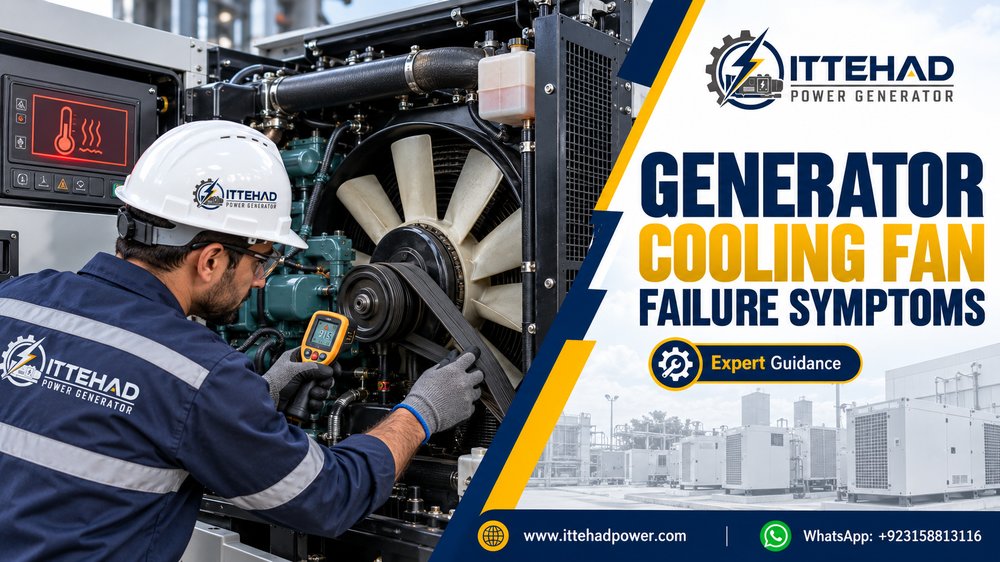
Recognizing generator cooling fan failure symptoms early can help prevent excessive temperature rise, reduced operating confidence, and avoidable overheating problems. The cooling fan supports airflow through the generator cooling system, helping remove heat produced during operation. When the fan, belt, drive mechanism, or related components begin to fail, cooling performance can decline gradually or suddenly. Understanding the warning signs allows generator users to arrange inspection before a minor cooling issue develops into a more serious operating problem.
Why Generator Cooling Fan Failure Symptoms Should Not Be Ignored
A generator produces considerable heat while running. The cooling system is designed to keep operating temperatures within an appropriate range, and the cooling fan plays an important role in maintaining airflow through the radiator and surrounding cooling components.
If fan performance becomes weak or stops completely, heat may not be removed efficiently. The generator can begin operating at a higher temperature, especially during longer running periods or increased load conditions. Early inspection can help identify whether the issue is related to the fan itself, the drive system, airflow restriction, or another cooling component.
Common Generator Cooling Fan Failure Symptoms
Cooling fan problems can produce several noticeable warning signs. Some symptoms appear immediately, while others become more obvious as generator temperature gradually increases.
- Generator temperature rising higher than normal
- Reduced airflow around the radiator
- Cooling fan rotating slowly or irregularly
- Fan not rotating while the generator is operating
- Unusual noise from the fan or drive area
- Visible fan blade damage
- Loose, worn, or damaged fan belt
- Repeated overheating during operation
- Temperature increasing more quickly under load
- Signs of vibration around the cooling fan assembly
Temperature Rise During Generator Operation
One of the most important warning signs of a cooling fan problem is an unusual increase in generator operating temperature. A generator that previously maintained a stable temperature may begin running progressively hotter during similar operating conditions.
A temperature increase does not automatically confirm that the cooling fan has failed, but it indicates that the cooling system should be inspected. Fan operation, airflow, belt condition, radiator condition, and related cooling components should be checked to determine the actual cause.
Weak or Reduced Airflow Through the Radiator
A properly operating cooling fan should move sufficient air through the radiator to help remove heat. If airflow feels noticeably weaker than expected, the fan may not be rotating at the required speed or may not be operating efficiently.
Reduced airflow can result from fan blade damage, drive problems, belt slippage, obstruction, or mechanical wear. The condition should be investigated before continued generator operation causes excessive temperature buildup.
Cooling Fan Not Rotating
A fan that does not rotate while the generator is operating requires immediate attention. Depending on the generator design, the cause may involve the drive belt, fan hub, drive mechanism, mounting components, or another part responsible for fan movement.
Operating the generator without effective cooling fan movement can quickly reduce cooling capacity. Inspection should be performed before extended operation continues.
Slow or Irregular Fan Movement
Cooling fan failure is not always a complete stop. A fan may rotate slowly, intermittently, or unevenly. This can reduce airflow even though the fan appears to be operating.
Irregular movement may indicate a slipping belt, worn drive component, damaged bearing, loose mounting, or mechanical resistance. Observing fan operation can therefore provide useful information during cooling system inspection.
Fan Belt and Drive Issues
Where the generator cooling fan is belt-driven, belt condition directly affects fan performance. A belt that becomes loose, stretched, cracked, glazed, or damaged may not transfer sufficient drive to the fan.
Signs of a Fan Belt Problem
- Visible cracking or deterioration
- Excessive looseness
- Unusual belt movement during operation
- Slipping around the pulley
- Noise from the belt or pulley area
- Reduced fan speed
- Uneven belt wear
Belt condition should be checked as part of cooling fan inspection because replacing or adjusting a worn drive component at the correct time can help restore proper fan performance.
Unusual Noise From the Cooling Fan Area
New or unusual noises around the cooling fan should be investigated rather than ignored. Scraping, rattling, squealing, or repeated contact sounds may indicate a loose component, damaged blade, worn bearing, belt problem, or incorrect fan alignment.
Noise can provide an early warning before complete fan failure occurs. If the sound becomes more noticeable as generator speed changes, inspection of the fan and drive system is particularly important.
Visible Damage to Generator Fan Blades
Cooling fan blades should remain secure, correctly positioned, and free from significant damage. Cracked, bent, chipped, loose, or distorted blades can reduce airflow and may create vibration during operation.
A damaged blade can also affect fan balance. Continued operation with an unbalanced cooling fan may place additional stress on mounting points and related components. Visible damage should therefore be assessed promptly.
Excessive Vibration Around the Cooling Fan
Unexpected vibration can indicate that the cooling fan assembly is not rotating correctly. Possible causes include damaged blades, loose fasteners, worn bearings, pulley misalignment, or another mechanical issue.
Vibration should not be treated only as a noise problem. It can be a useful indication that the fan assembly needs inspection before further wear develops.
Generator Overheating During Longer Running Periods
Some cooling fan problems may not become obvious during a short generator run. The generator may initially operate normally but begin overheating after running for an extended period.
This can happen when the fan still provides some airflow but no longer delivers enough cooling for sustained operation. Monitoring operating temperature over time can help identify this type of gradual cooling performance loss.
Temperature Increasing Faster Under Load
Generator heat production generally increases as operating demand rises. If cooling fan performance is reduced, temperature may rise much faster when the generator is carrying a heavier load.
A generator that remains relatively stable under lighter conditions but begins heating rapidly under normal operating demand should have its cooling system inspected. Fan speed, airflow, belt condition, radiator airflow, and other cooling components may require attention.
Why Early Cooling Fan Inspection Is Beneficial
Identifying cooling fan problems early can help reduce the possibility of repeated overheating and unnecessary disruption. Inspection provides an opportunity to determine whether the issue is minor, developing, or requires immediate repair.
- Helps identify reduced cooling performance before severe overheating
- Supports more stable generator operating temperature
- Allows worn fan or drive components to be identified
- Reduces the risk of continued operation with damaged fan parts
- Improves confidence during longer generator operating periods
- Supports planned maintenance instead of waiting for complete failure
What Generator Users Need From a Cooling Fan Inspection
Generator users need more than a quick visual check when cooling performance has changed. A useful inspection should examine the complete fan operating condition and determine whether sufficient airflow is being produced.
The technician should review fan movement, blade condition, belt or drive condition, mounting security, unusual noise, vibration, and generator temperature behavior. These observations help identify the source of the problem rather than replacing components without proper assessment.
Cooling Fan Inspection Details
A structured inspection can help separate fan-related problems from other cooling system issues.
- Check the generator operating temperature.
- Observe whether the cooling fan is rotating correctly.
- Assess airflow through the cooling area.
- Inspect fan blades for cracks, bending, or damage.
- Check fan mounting and alignment.
- Inspect the belt or drive mechanism where applicable.
- Look for belt looseness, wear, or slippage.
- Listen for abnormal fan or drive noise.
- Check for excessive vibration.
- Confirm whether temperature remains stable during operation.
How to Select the Right Cooling Fan Repair Approach
The correct repair approach should be based on inspection findings rather than symptoms alone. A rising temperature may be caused by weak fan airflow, but the underlying problem could involve the fan blade, belt, pulley, bearing, drive system, or another cooling component.
Before replacing parts, determine exactly which component is preventing normal fan performance. This helps avoid unnecessary replacement work and ensures the actual cooling problem is addressed.
Look for Clear Diagnosis
A professional assessment should explain what has failed, why cooling performance has been affected, and what corrective work is required.
Check Component Compatibility
If replacement is necessary, the fan, belt, drive component, or related part should be suitable for the specific generator configuration. Incorrect components can affect airflow, alignment, and operating reliability.
Confirm Operation After Repair
After repair or replacement, the cooling fan should be checked during generator operation. Fan rotation, airflow, vibration, noise, and temperature stability should all be reviewed before the work is considered complete.
Preventing Generator Cooling Fan Problems
Routine inspection can help identify wear before cooling performance becomes significantly reduced. Cooling fan components operate in an environment affected by heat, vibration, dust, and continuous mechanical movement, making periodic checks important.
- Inspect fan blades for visible damage
- Check fan mounting points
- Review belt condition and tension where applicable
- Observe fan rotation during maintenance inspections
- Keep airflow paths free from obstruction
- Investigate unusual fan noise promptly
- Monitor generator temperature during operation
- Address excessive vibration before it worsens
Local Operating Conditions and Cooling Fan Performance
Generator cooling requirements can vary according to the operating environment. High ambient temperatures, dust, restricted airflow, long operating periods, and demanding working conditions can increase the importance of effective cooling fan performance.
Regular inspection should take actual generator operating conditions into account. A generator operating in a hotter or more demanding environment may show the effects of reduced airflow sooner than equipment running under lighter conditions.
Trust Points When Choosing Generator Cooling System Support
Cooling system work should focus on accurate diagnosis and practical corrective action. Generator users should look for service support that carefully examines the cause of temperature rise rather than replacing parts without confirmation.
- Inspection of fan operation before recommending replacement
- Clear explanation of the identified cooling problem
- Assessment of fan blades, belt, drive, and mounting condition
- Attention to unusual noise and vibration
- Verification of airflow after corrective work
- Operating temperature checks after repair
- Clear guidance on future cooling system maintenance
When Should a Generator Cooling Fan Be Checked?
A cooling fan should be inspected whenever generator temperature behavior changes, airflow appears reduced, unusual noise develops, vibration becomes noticeable, or the fan does not appear to rotate normally.
Inspection is also worthwhile during routine generator maintenance because some fan problems can be detected before noticeable overheating occurs. Identifying belt deterioration, blade damage, looseness, or early mechanical wear can help prevent unexpected cooling loss.
Guidance for Responding to Cooling Fan Warning Signs
If the generator begins running hotter than normal, avoid assuming that continued operation will remain safe simply because the generator has not yet shut down. Temperature rise is an indication that the cooling system requires attention.
Observe the fan only from a safe position and avoid contact with rotating or hot components. A qualified inspection should be arranged when fan operation appears abnormal or when overheating continues. The objective should be to identify the actual cause, correct the problem, and confirm stable generator temperature afterward.
Maintain Reliable Generator Cooling Performance
Understanding generator cooling fan failure symptoms makes it easier to recognize reduced airflow, belt or drive problems, damaged fan components, unusual vibration, rising temperature, and developing overheating conditions. Early attention can help prevent a manageable cooling issue from becoming a more serious generator problem.
If your generator is showing higher operating temperatures, weak airflow, unusual fan noise, irregular fan movement, or repeated overheating, arrange a professional cooling system inspection. Proper diagnosis and timely corrective work can restore effective airflow, support stable generator temperatures, and improve operating confidence.